




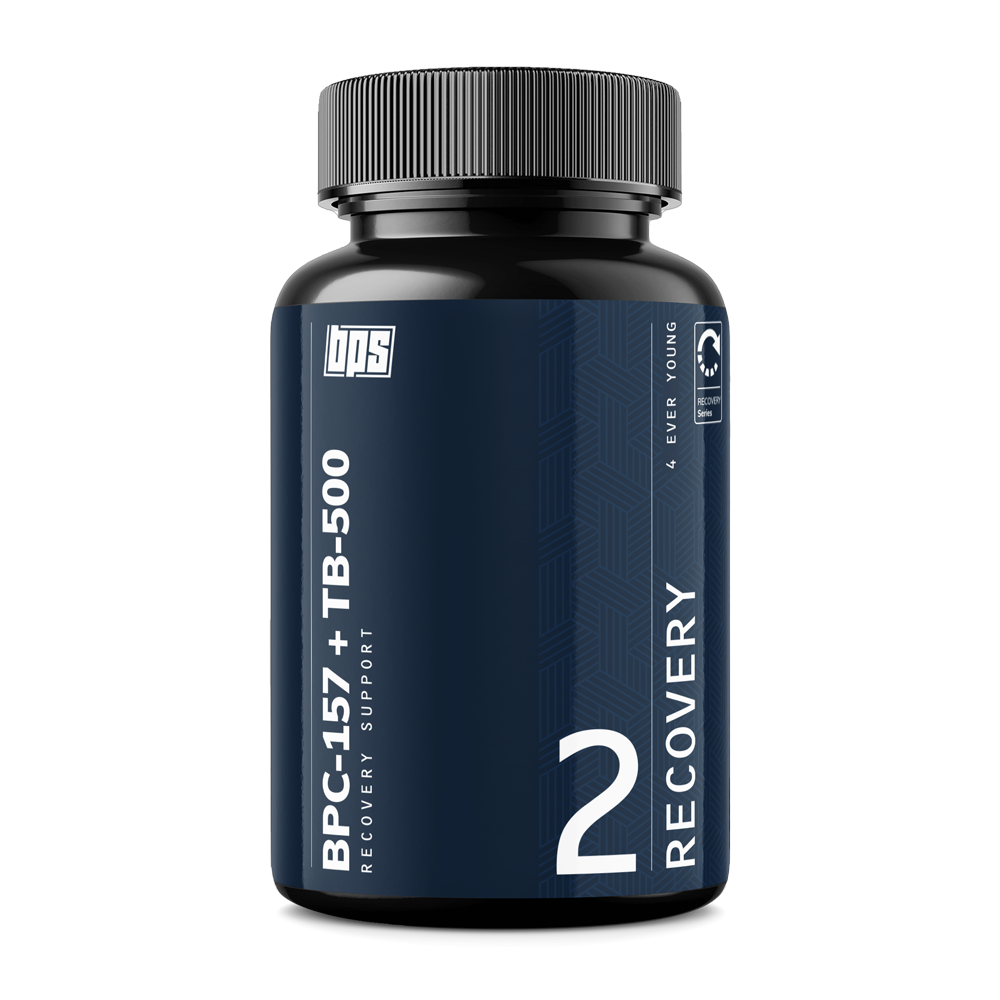
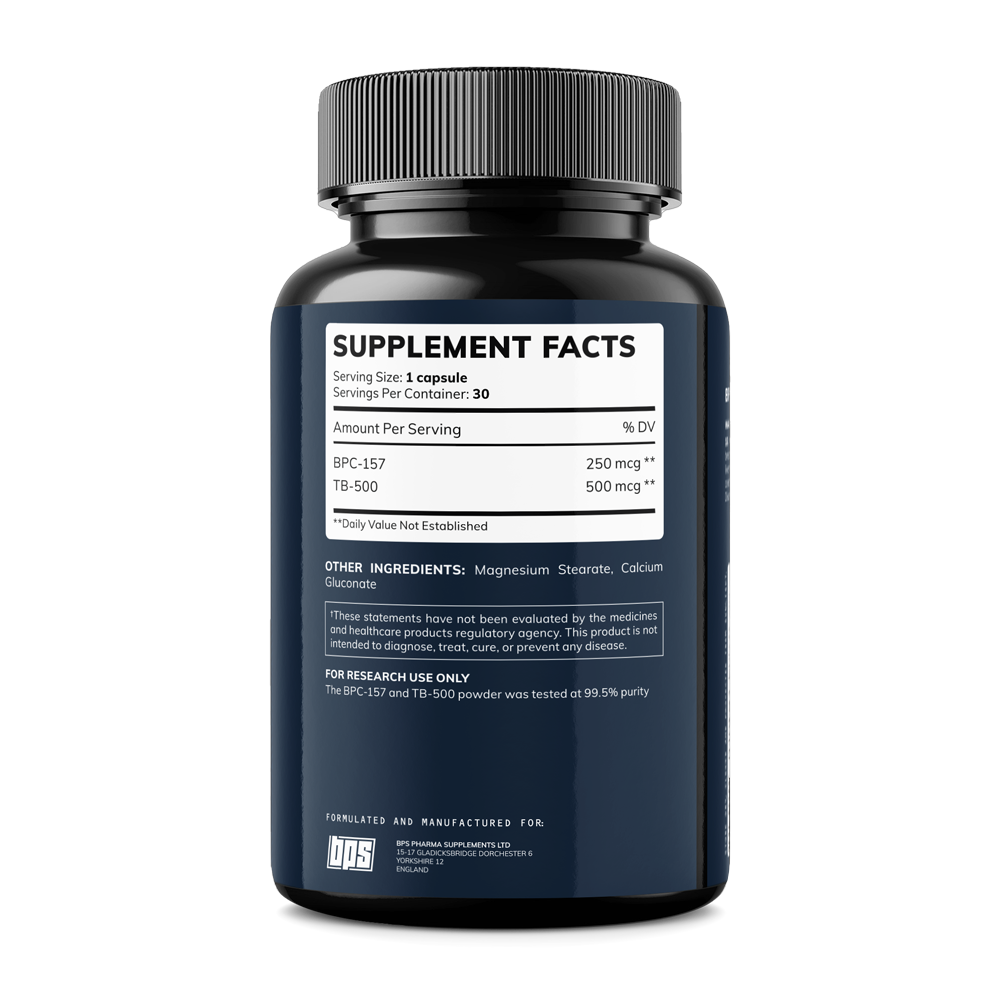
BPC-157
Every athlete knows that training isn't always smooth sailing: periods of success are followed by periods of less success, or even complete failure. Pain or injury are usually the cause of these fluctuations – and these simply need to be weathered. However, things get really bad when a bad phase just won't end: an injury seems to take forever to heal, an inflammation simply won't subside. What to do? "Take BPC-157," is the answer from experienced athletes. Read on to find out how this peptide can end forced training breaks and what you should consider before buying BPC-157.
What is BPC-157?
BPC-157 is a synthetic peptide based on a natural protein. The letters "BPC" stand for "Body Protection Compound"—this name was chosen to emphasize, for marketing purposes, that BPC-157 is a remedy for physical injuries. (Alternative names include "PL 14736" and "PL-10.") However, the name "BPC" is actually misleading, as "Protection Compound" suggests that BPC-157 has a protective effect. This is not the case. Rather, BPC-157 has a healing-accelerating effect. It is therefore not truly a "protection compound," but more accurately a "healing compound."
Since BPC-157 was first synthesized from a component of stomach acid in 1991, it has caused a sensation: numerous studies have shown that the peptide is extremely helpful in treating tissue and joint damage. It promotes healing better than many medications and apparently has no side effects. No wonder it is highly valued in bodybuilding as well as in other sports (track and field, soccer, handball, martial arts, etc.). For many athletes, it is the treatment of choice for injuries of all kinds, as well as for inflammation and painful joint changes.
How does BPC-157 work?
The primary effect of BPC-157 is to stimulate the production of growth factors and increase blood flow to damaged areas of the body. Furthermore, BPC-157 has an anti-inflammatory effect because it inhibits the formation of inflammatory cytokines. Both of these effects significantly accelerate the regeneration of damaged tissue. Especially in cases of serious injuries such as muscle tears, ligament ruptures, tendon tears or ruptures, and cartilage damage, the healing process with BPC-157 proceeds much faster than normal.
Since BPC 157 also promotes the development of fibroblasts – which are “architectural” proteins necessary for collagen synthesis – the peptide also benefits the skin [2]. Therefore, using BPC-157 for the skin, for example to promote wound healing in open injuries or to prevent scarring, is definitely a good idea.
Recent studies also suggest that BPC-157 has positive effects on the function of the cardiovascular system. In cases of circulatory disorders, BPC-157 can, for example, promote the formation of new blood vessels – this is particularly helpful when thrombosis is imminent. So far, this property of BPC-157 has only been demonstrated in animal studies [3]; nevertheless, the peptide is considered to have great potential as a treatment and therapeutic agent for impending vascular occlusion.
What are the advantages of BPC-157 for athletes?
For ambitious athletes and fitness enthusiasts, the targeted use of BPC-157 offers a multitude of advantages.
BPC-157 …
- Shortens the healing phase after injuries : As already explained, BPC-157 can help an injury – whether sports-related or otherwise – heal faster. Thanks to this peptide, for example, it's not necessary to wait six months before resuming training after a (surgically treated) muscle tear, and a strain or ligament tear doesn't necessarily require weeks of training downtime. In fact, most athletes use BPC-157 for injuries.
- It stops inflammatory processes : Due to its anti-inflammatory properties, the peptide can heal tendinitis. Athletes who repeatedly struggle with persistent tendon irritations (tennis elbow, golfer's elbow, etc.) can particularly benefit.
- Improves flexibility : Thanks to its positive effect on the joints, BPC-157 promotes overall mobility. Movements that were previously impossible due to painful joints can suddenly be performed again. As a result, the peptide also enhances athletic performance to some extent.
- Provides relief for osteoarthritis : Many athletes suffer from osteoarthritis, especially in the knees and shoulders. Numerous athletes confirm that BPC-157 can be helpful for osteoarthritis. While a complete cure shouldn't be expected, the peptide promotes cartilage regeneration, often reducing pain during physical activity or training.
How is BPC-157 used?
BPC-157 can be used in various ways, and the choice of application method is crucial for its effectiveness. Depending on the method of application, the peptide may work better or worse.
Injection solution:
The most common method of administering a therapeutic peptide like BPC-157 is by injection. In scientific studies, BPC-157 has been and continues to be administered exclusively by injection. Naturally, an injectable solution is not suitable for over-the-counter sale.
Capsules:
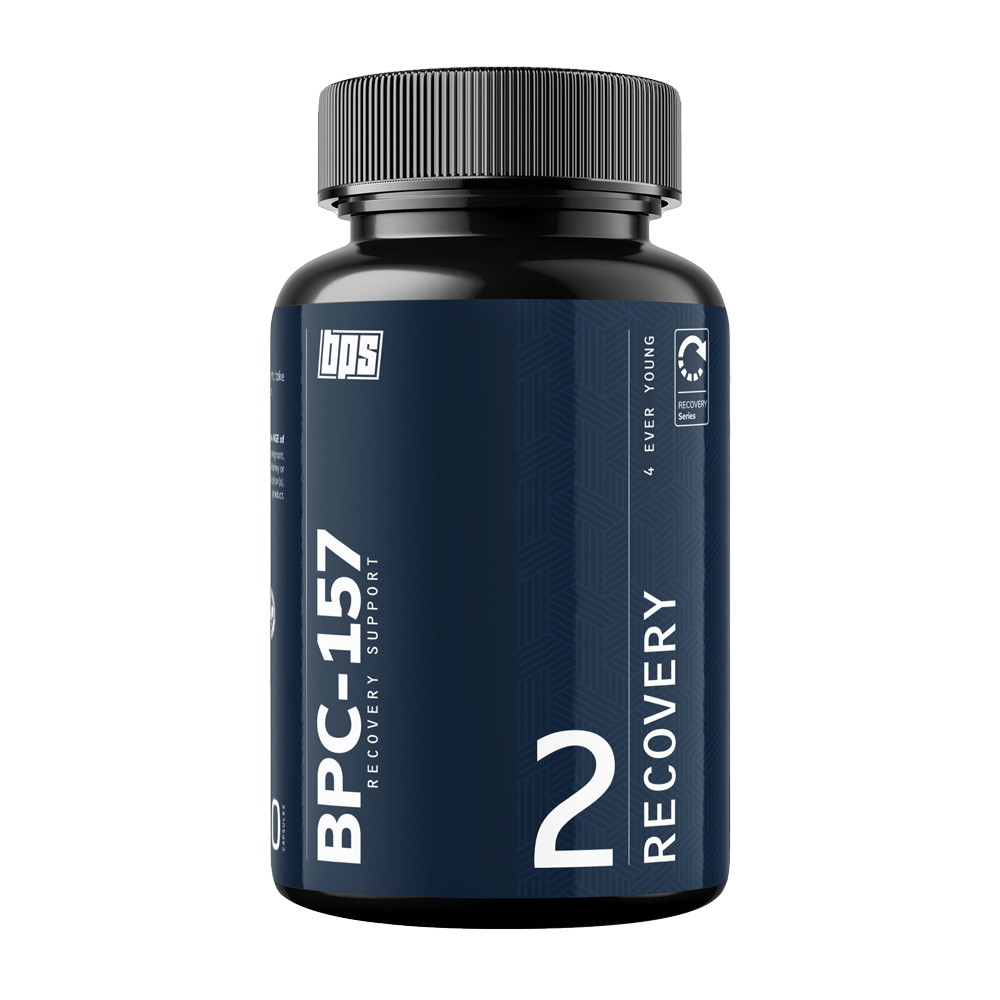
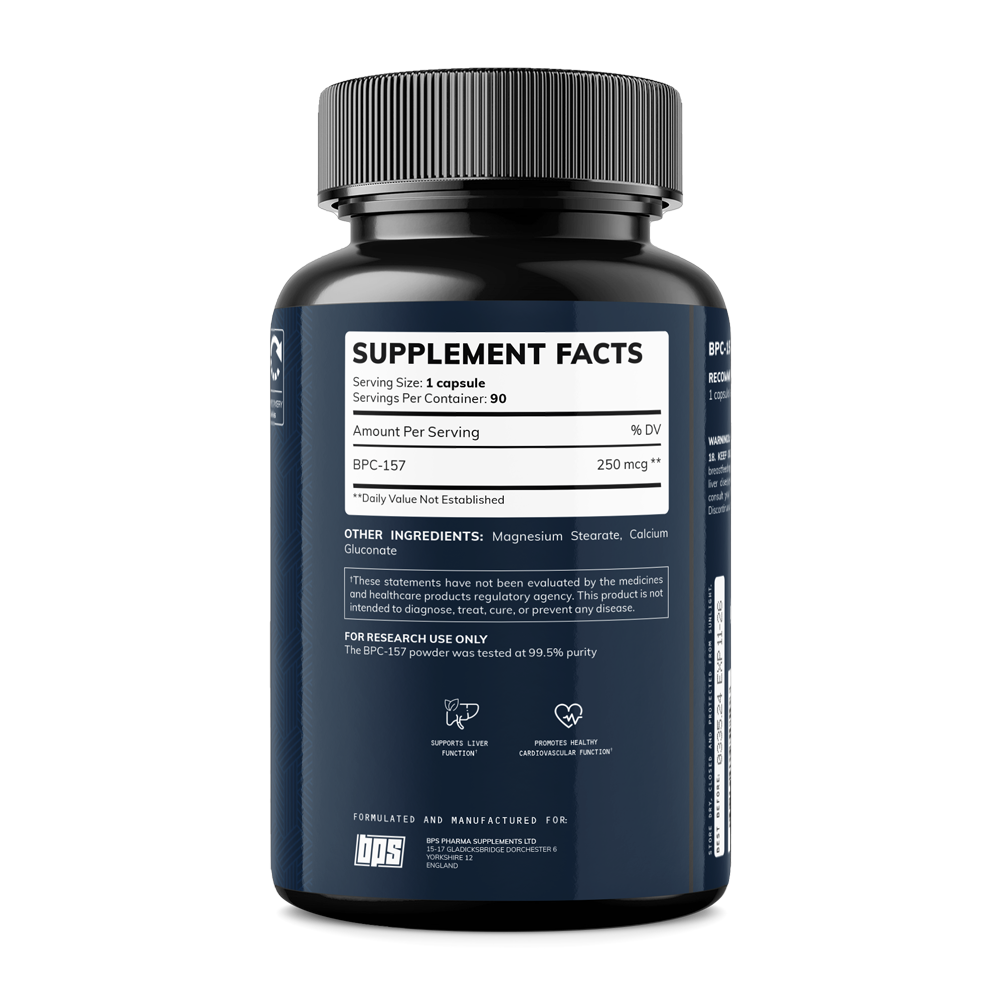
In the dietary supplement industry, capsule preparations for swallowing are the most common. However, these are said to have low effectiveness because the peptide is partially destroyed by stomach acid during swallowing.
Drops:
The application as drops, which are administered into the mouth, is also well-established. With this method, the peptide is absorbed through the oral mucosa, meaning it does not have to pass through the stomach to enter the bloodstream. Drops are therefore considered somewhat more effective than capsules.
Patches (skin plasters):
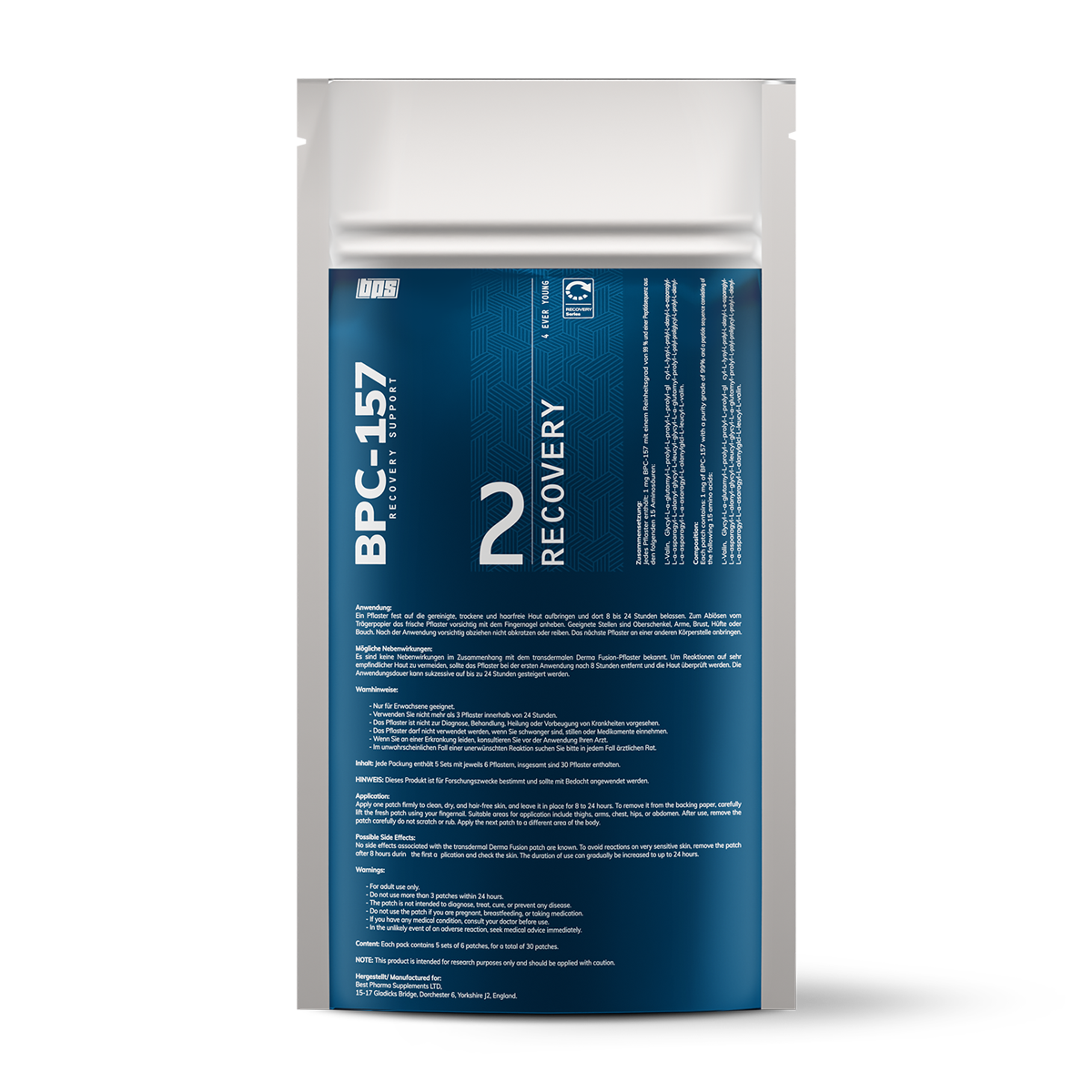
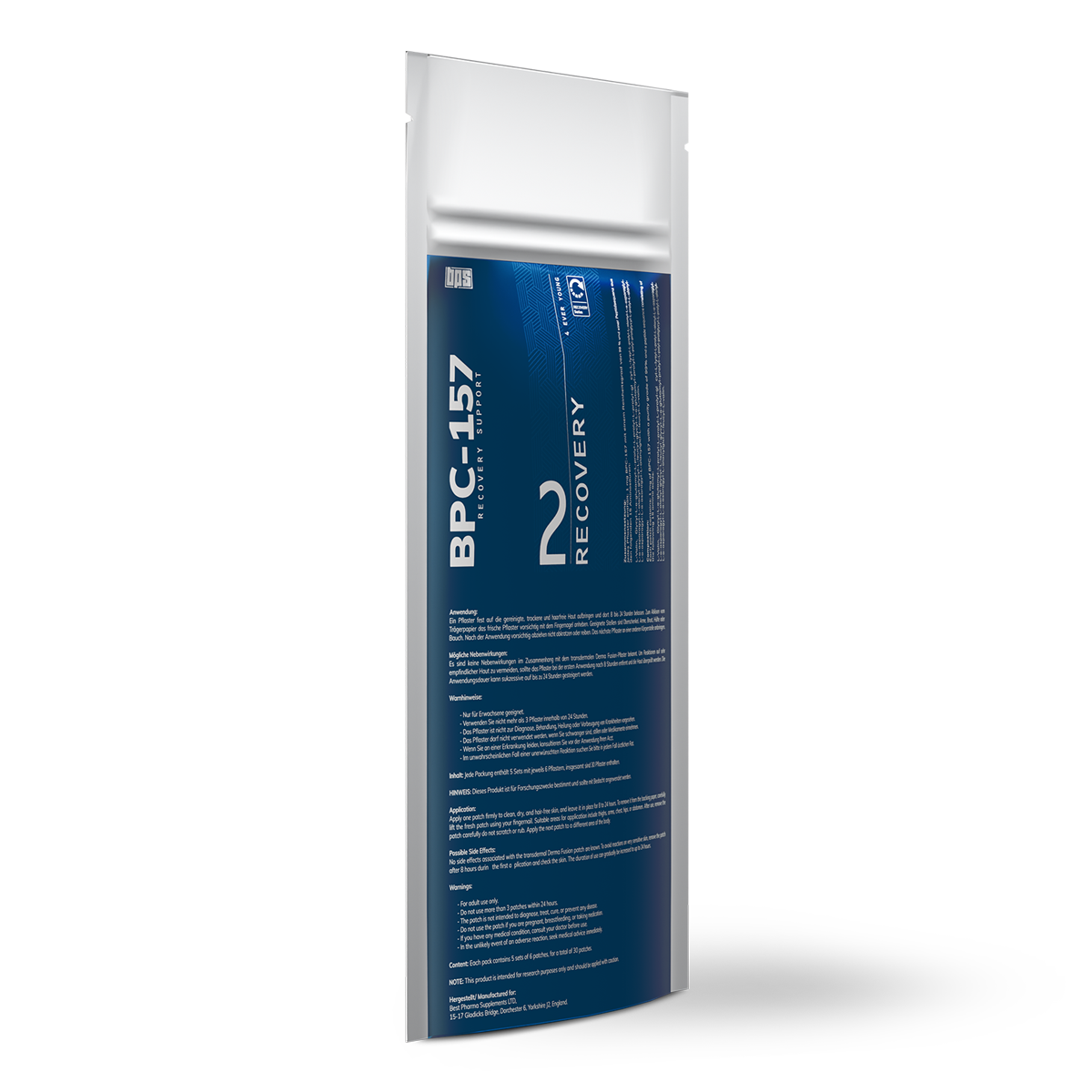
Our BPC-157 skin patches are a true innovation on the market. Why are they particularly recommended?
- Transdermal drug absorption : The peptide enters the bloodstream directly through the skin. This results in significantly better bioavailability than, for example, with capsules.
- Precise positioning : With patches, the peptide can be placed exactly where it is needed to take effect. This is not possible with capsules or drops.
- Easy to use : Applying a new patch every 24 hours is incredibly simple. The active ingredient is then released continuously for the entire time the patch remains in place.
BPC-157 Dosage
What dosage is recommended? Research has not yet provided a recommendation, as BPC-157 is not yet approved for human use. For administration as an injectable solution, a BPC-157 dosage of 500 to 800 micrograms per day is considered effective. With daily use at this dosage, a significant improvement in all symptoms is typically observed after 7 to 14 days.
Depending on the preparation and manufacturer, capsules contain between 250 and 1,000 micrograms. Since the bioavailability of BPC-157 tends to be lower with oral preparations than with injectable preparations, a daily dose should consist of several capsules.
Our skin patches contain a dosage of 1,000 micrograms per patch – this is sufficient as a daily dose. A new patch should therefore be applied each day. It should remain on the body for as long as possible (at least 12 hours).
What are the side effects of BPC-157?
BPC-157 is generally considered to be very well tolerated and safe. However, as with any experimental substance, side effects can occur – possibly even long after use. The fact that there is currently no evidence of serious or long-term side effects does not mean that side effects from BPC-157 can be completely ruled out.
Specifically regarding the application of our skin patches, the experiences with BPC-157 are unanimously positive. The German testing portal www.supplement-bewertung.de reports that in the test with the patches from the 4-Your-Recovery series, "no side effects whatsoever" occurred. Neither skin irritation nor any other undesirable phenomena were observed.
Is BPC-157 legal?
As mentioned above, BPC-157 is not yet approved for human use. Therefore, selling or purchasing it as a medication or dietary supplement is NOT legal, at least not within the EU or the USA. However, trading in BPC-157 is not generally prohibited. If BPC-157 is explicitly sold and ordered for experimental purposes, this is not illegal. Ultimately, it is up to each individual buyer to decide what they do with the BPC-157 they purchase – and where there is no plaintiff, there is no judge.
For competitive athletes, the following is also important: According to the WADA (World Anti-Doping Agency), BPC-157 is considered doping. The peptide has been on the list of prohibited substances since 2022; it has been classified as S0 ("Non-approved Substances").
Where can I buy BPC-157?
BPC-157 is available in several online shops specializing in sports nutrition supplements – but only in well-stocked ones. The products offered are generally oral preparations. BPC-157 skin patches are only available from us and our partners ( www.getboost3d.com ).
WARNING : If you intend to purchase BPC-157 online, it is strongly recommended that you carefully read the product descriptions and (if possible) the ingredient lists on the product labels. Some BPC-157 products do not contain any BPC-157 at all, but rather a mixture of amino acids and plant extracts such as curcumin. While curcumin is also said to have anti-inflammatory properties, its spectrum of effects is not comparable to that of BPC-157.
- 2019 (Daniel Gwyer et al): “Gastric pentadecapeptide body protection compound BPC 157 and its role in accelerating musculoskeletal soft tissue healing” ( https://pubmed.ncbi.nlm.nih.gov/30915550/ )
- 2101 (Sven Seiwerth et al.): “Stable Gastric Pentadecapeptide BPC 157 and Wound Healing” ( https://www.frontiersin.org/journals/pharmacology/articles/10.3389/fphar.2021.627533/full )
- 2020 (Slaven Gojkovic et al.): “Pentadecapeptide BPC 157 resolves suprahepatic occlusion of the inferior caval vein, Budd-Chiari syndrome model in rats” – World J Gastrointest Pathophysiol. 2020 ( https://pubmed.ncbi.nlm.nih.gov/32226643/ )
- 2024 (supplement-bewertung.de): BPC-157: Effects, Uses, Side Effects ( https://supplement-bewertung.de/bpc-157/ )
- 2021 (wada-ama.org): WADA publishes 2022 Prohibited List ( https://www.wada-ama.org/en/news/wada-publishes-2022-prohibited-list )